


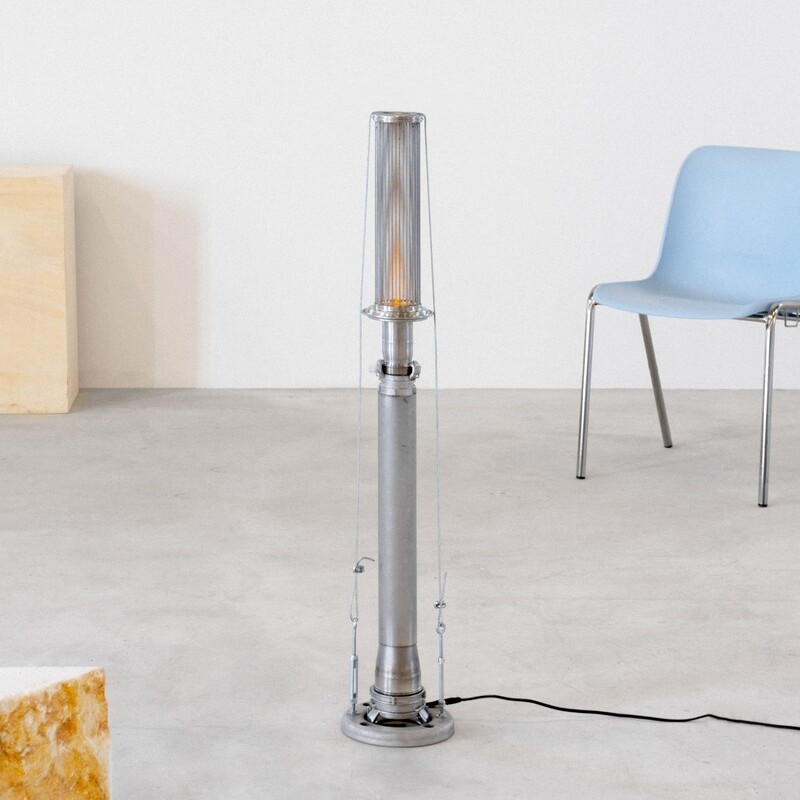
photo : Vicent Orts
Vicent Orts
Residency : october 2025
Context driven : vernacular agricultural tools
Biography
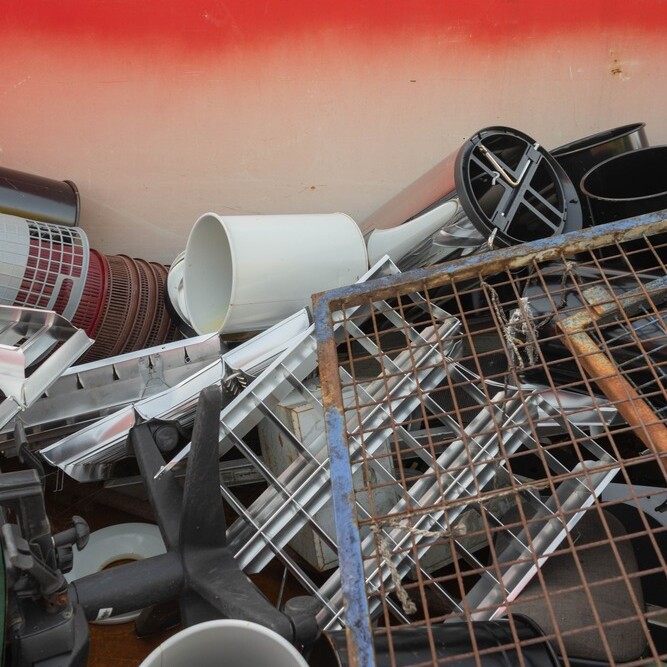
Valencia-based industrial designer Vicent Orts has developed an engaged design practice that prioritises the use of local and existing resources over the consumption of new raw materials. His work is rooted in an exploration of materials available within his immediate environment and is closely connected to traditional forms of craftsmanship. He works with fragments of objects, materials and architectural waste, investigating vernacular know-how, particularly from rural contexts, and observing and documenting distinctive practices surrounding agricultural tools.
Research project at Fondation Martell
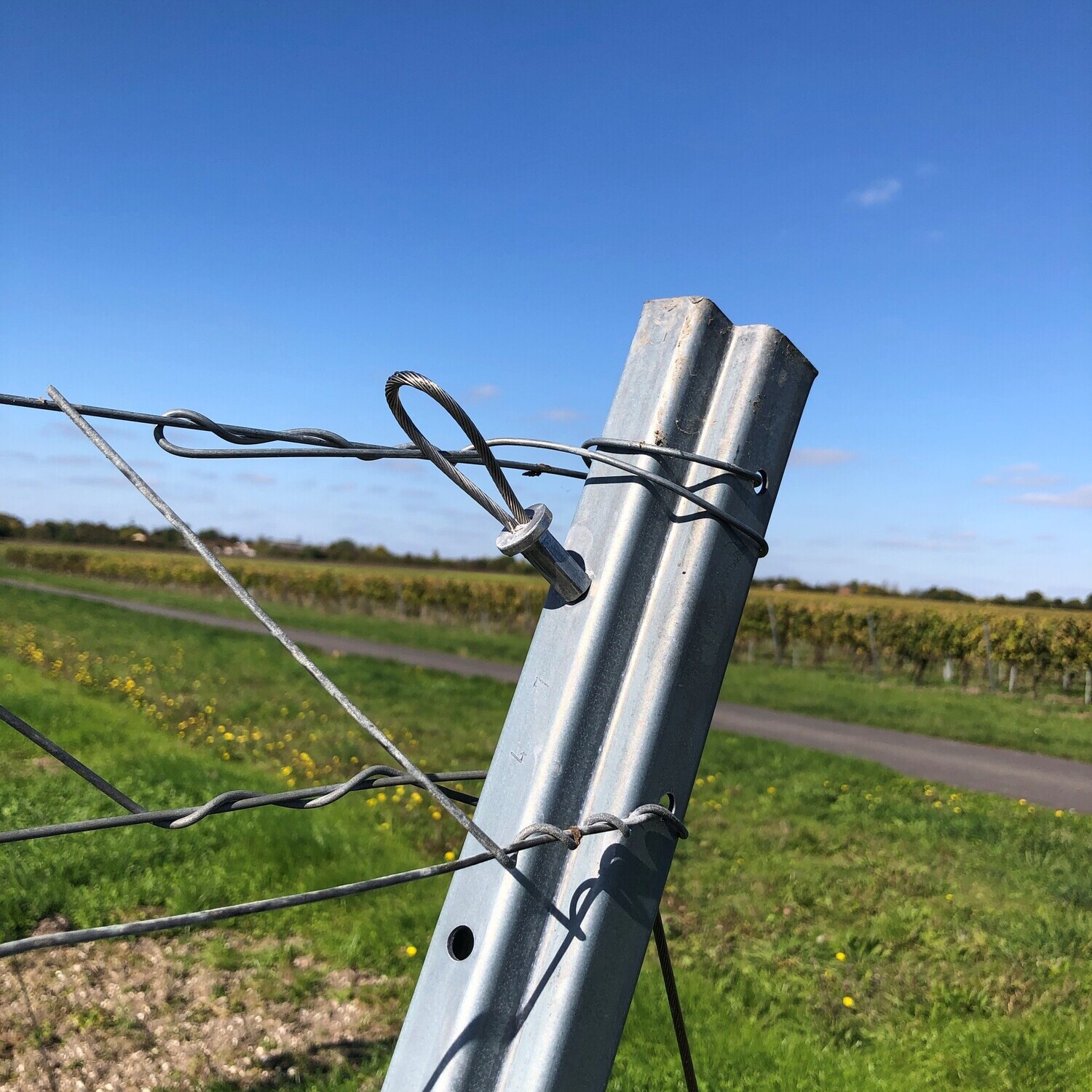
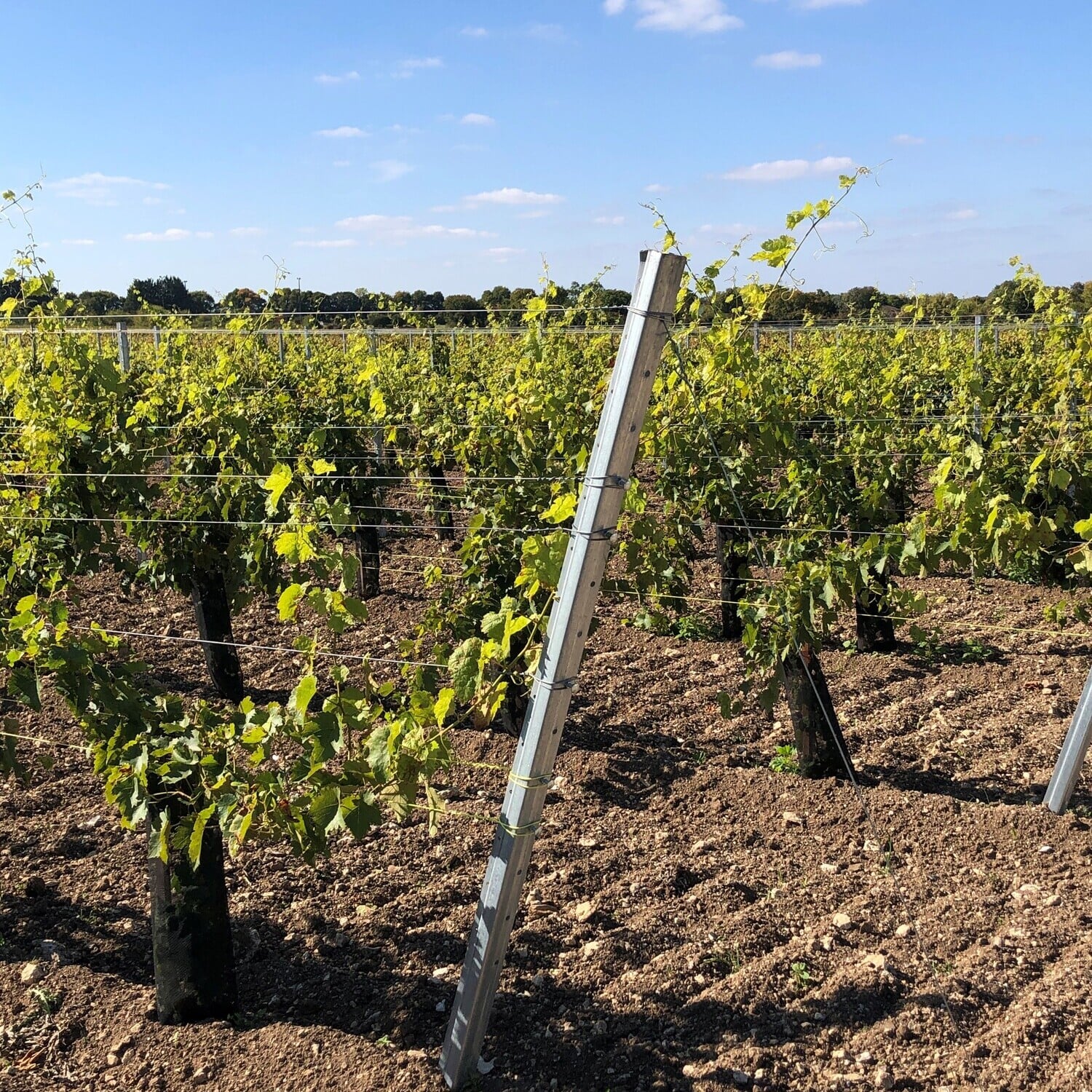
During his residency, his research focused on vernacular practices, particularly rural ones, through the observation of singular uses of agricultural tools. His “situated design” project sought to document a selection of objects, techniques and constructions developed by farmers around Cognac. He paid particular attention to the wires and cables used in vineyards, whose tensile properties allow them to connect, assemble and structure elements through tension alone.
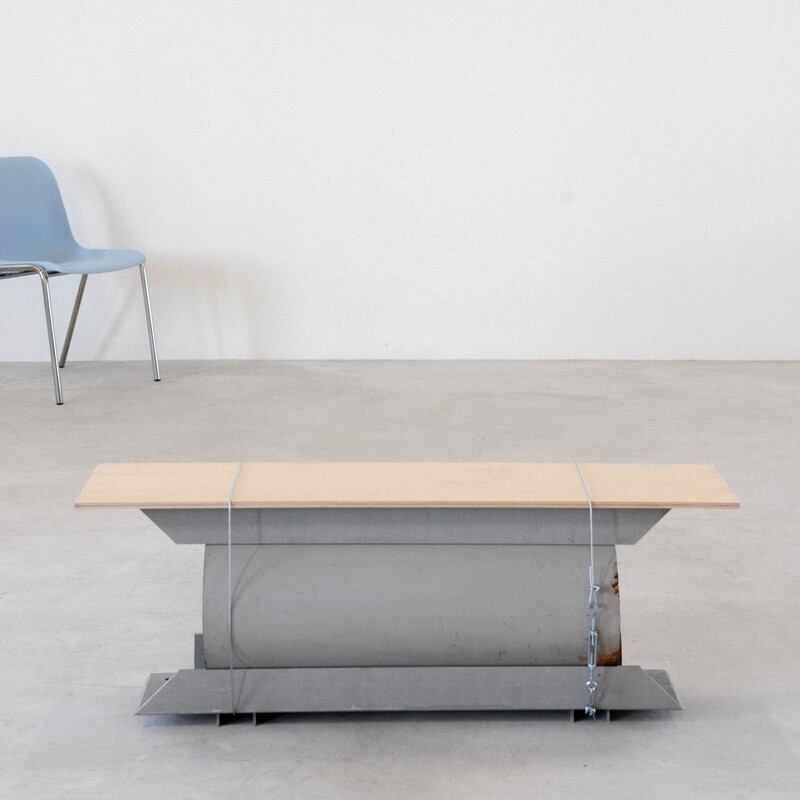
The principles emerging from this research may inform more conventional design processes and take shape as a collection of eco-designed furniture or objects. During the residency, he continued his investigations into self-made tools developed by farmers in the specific context of the Charentes region, while exploring how the findings could be applied to the specific context of orchid cultivation in the Valencia region of Spain.
Interim results from the residency
Vicent Orts’s work during the residency resulted in the production of a methodological manifesto entitled The Shape of the Possible, which outlines a ten-point approach to design based on empirical construction, where working with what already exists becomes both a practical method and an ethical position. Rather than relying on mass production, constant extraction and industrial dependency, it proposes a way of designing that responds directly to context, available resources and real, concrete needs.
Making is understood as a form of learning and belonging, where knowledge emerges through hands-on engagement and careful attention to materials and their limitations. This autonomy from industrial systems allows design to operate with constructive honesty, embracing imperfection, adaptability and repair as strategies for longevity. Sustainability is presented not as a theoretical objective but as a natural consequence of efficiency, necessity and the economical use of resources practised at a local scale.
By recognising the potential of what is often overlooked or discarded, design becomes an accessible and shared tool that strengthens community knowledge and extends the lifespan of objects through maintenance, modification and reuse. In this way, limitation is reframed as a method, transforming scarcity into possibility and positioning the environment itself as an active teacher within contemporary design practice.
Place within the Labo Almanach
By focusing on the everyday forms of knowledge and ingenuity found in agricultural contexts, Vicent Orts’s work contributes anthropological and technical observations in support of wider transitions.
By valuing improvised techniques developed in vineyard work using ordinary materials as simple as wood and wire, he proposes a design methodology whose aim is to reveal—and apply to design processes—economical, resource-conscious and modest ways of making.
In other words, it is an attempt to establish a programmatic and manifesto-driven approach to frugality as a design tool in itself. The manifesto The Shape of the Possible, written on this occasion, provides a methodological thread for a generation of designers confronted with resource scarcity and the urgent challenges of transition.
Resources involved
Martell vineyard teams.